Going beyond appearance to measure genuine physical health through functional movement and daily performance.
Understanding what fitness actually means is one of the most important steps you can take toward building a sustainable exercise routine, yet most people approach the concept with vague assumptions rather than a clear definition tailored to their individual goals and circumstances. Fitness is not a single measurable trait or a specific body type, but rather a collection of physical capabilities that include cardiovascular endurance, muscular strength, flexibility, balance and coordination. When you can climb several flights of stairs without becoming winded, lift heavy groceries without straining your back, play actively with your children or grandchildren without feeling exhausted and bend down to tie your shoes without discomfort, you are demonstrating genuine fitness regardless of what you weigh or how your clothes fit. The true measure of fitness is not how you look in a mirror but how well your body performs the physical demands of your daily life.
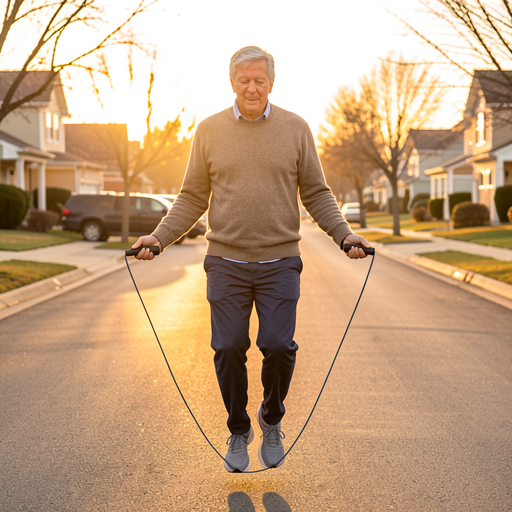
Cardiovascular endurance is perhaps the most fundamental component of overall fitness and it forms the foundation upon which all other physical capabilities are built. When your heart and lungs are efficient at delivering oxygen to your working muscles, you have the energy and stamina to tackle challenging workouts, recover quickly between intense efforts and maintain a healthy body composition over the long term. Jumping rope is one of the most efficient cardiovascular exercises you can perform, delivering the same aerobic benefits as running or cycling in a fraction of the time while simultaneously improving coordination, bone density and ankle stability.
😍
Just three sessions per week of moderate-intensity skipping for twenty minutes each can dramatically improve your cardiovascular fitness and set a strong foundation for more advanced training in the months ahead. Muscular strength and flexibility work together to protect your joints, prevent injury and maintain your independence as you age. Strong muscles support and stabilize your joints, reducing the wear and tear that leads to arthritis and chronic pain, while flexible muscles and connective tissues allow you to move through your full range of motion without restriction or discomfort.
🦎
A balanced fitness program that includes both strength training and stretching exercises addresses these complementary needs, ensuring that your body develops the resilience and mobility required for long-term health. The combination of bodyweight exercises like push-ups and squats alongside rope skipping creates a comprehensive fitness routine that develops strength, endurance, coordination and flexibility simultaneously without requiring expensive equipment or hours at the gym. Mental clarity and emotional well-being are integral components of true fitness that are often overlooked in favor of physical metrics like weight, body fat percentage and muscle mass.
🏊️
When you exercise regularly, your brain releases chemicals that reduce stress, improve mood and enhance cognitive function, creating a positive feedback loop that makes staying active feel effortless rather than obligatory. The rhythmic, meditative quality of jump rope training is particularly beneficial for mental health, as the focused attention required to maintain timing and coordination forces your mind to concentrate on the present moment, effectively clearing away anxious thoughts and mental clutter. Regular skipping sessions provide both a physical and psychological reset that leaves you feeling energized, focused and emotionally balanced for the rest of the day.